Netflix has a unique approach to releasing their shows that sets them apart from other streaming services. Rather than following the traditional weekly release schedule, they choose to release every episode all at once.
As mentioned in a letter to shareholders, Netflix competes for consumer screen time with Fortnite more than HBO. To do so, their product needs to be highly engaging, or even addictive.
By allowing viewers to binge-watch their favorite shows, Netflix satisfies their desire for instant gratification and frequent entertainment, much like other popular consumer products such as TikTok and YouTube. This engagement is key to retaining users and generating positive word of mouth.
If a viewer decided not to be a couch potato, the all-at-once release schedule still provides flexibility when compared with the strict weekly schedule. They can watch whenever they want, at their own convenience.
However, it is worth noting that this release schedule only works when there are plenty of shows that viewers like. If there is only one show that appeals to them each month, the binge-watching experience may not be as satisfying. After finishing the entire season in one go, viewers may find themselves longing for more content but with nothing left to watch.

Fortunately, Netflix is the leader when it comes to the number of original contents.
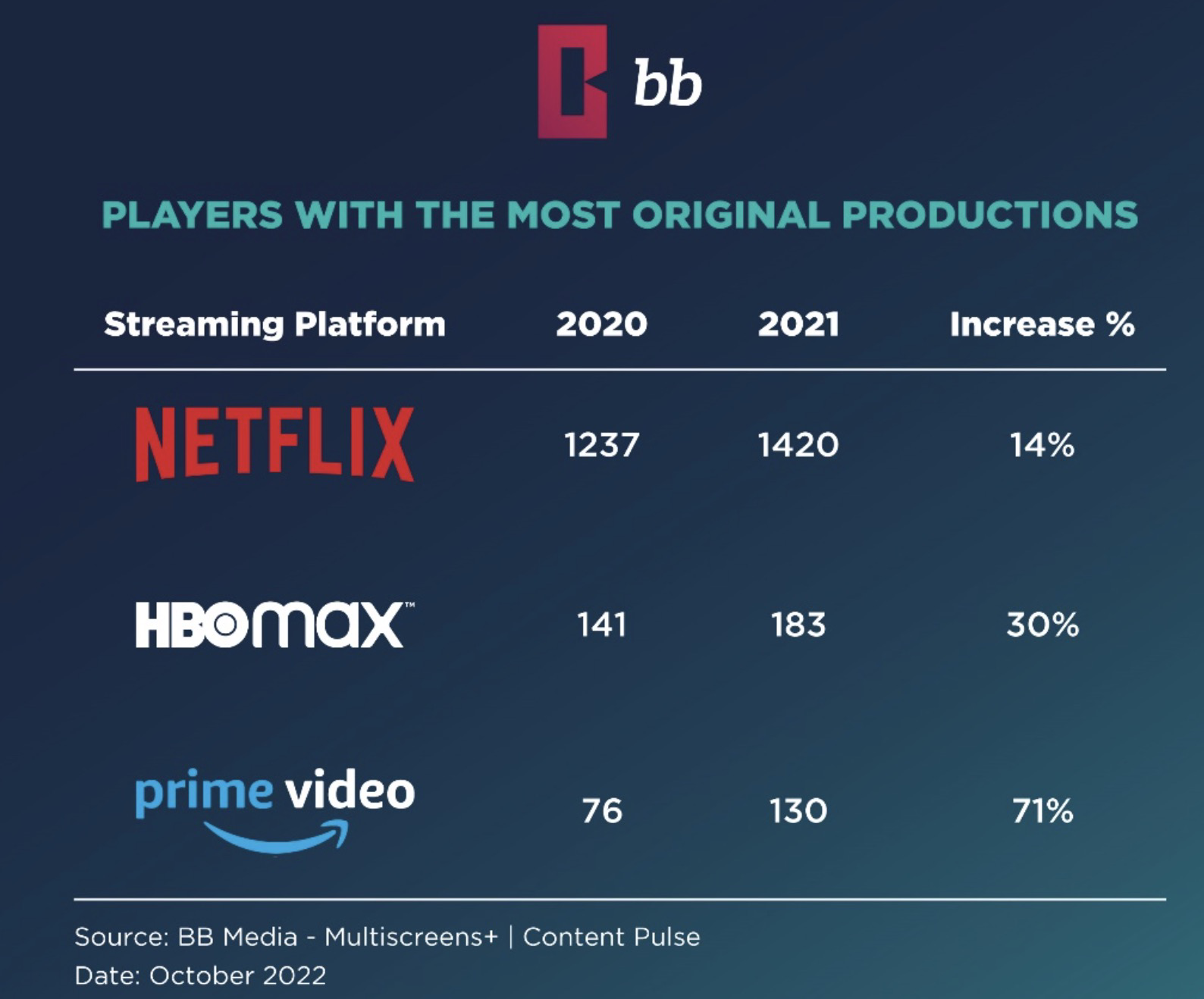
Additionally, all-at-once schedule increases the likelihood that a viewer will finish the season, which is what show creators want.
However, Netflix has been testing different release schedules. The fourth season of Stranger Things was released in two parts. The final season of Money Heist also premiered in two installments, and horror trilogy Fear Street debuted weekly (source). The approach may help prevent cancellation (earlier, users may decide to cancel the subscription after binge-watching the show they like, but now they would have to wait to the next month to finish it). This is especially helpful as Netflix is trying to squeeze more revenue from each user (e.g. ending password-sharing, price increase).