As a user, I don’t really like TikTok. But I do like how the app is designed. Below is my observation on the factors that make TikTok successful.
The barrier to content creation is significantly lowered
Don’t have an idea for a video? Here are what you can do
Just do a remix with another video
Join a challenge (e.g. recording yourself doing pushups in #ThePushupChallenge)
The filters / effects / templates can be your idea
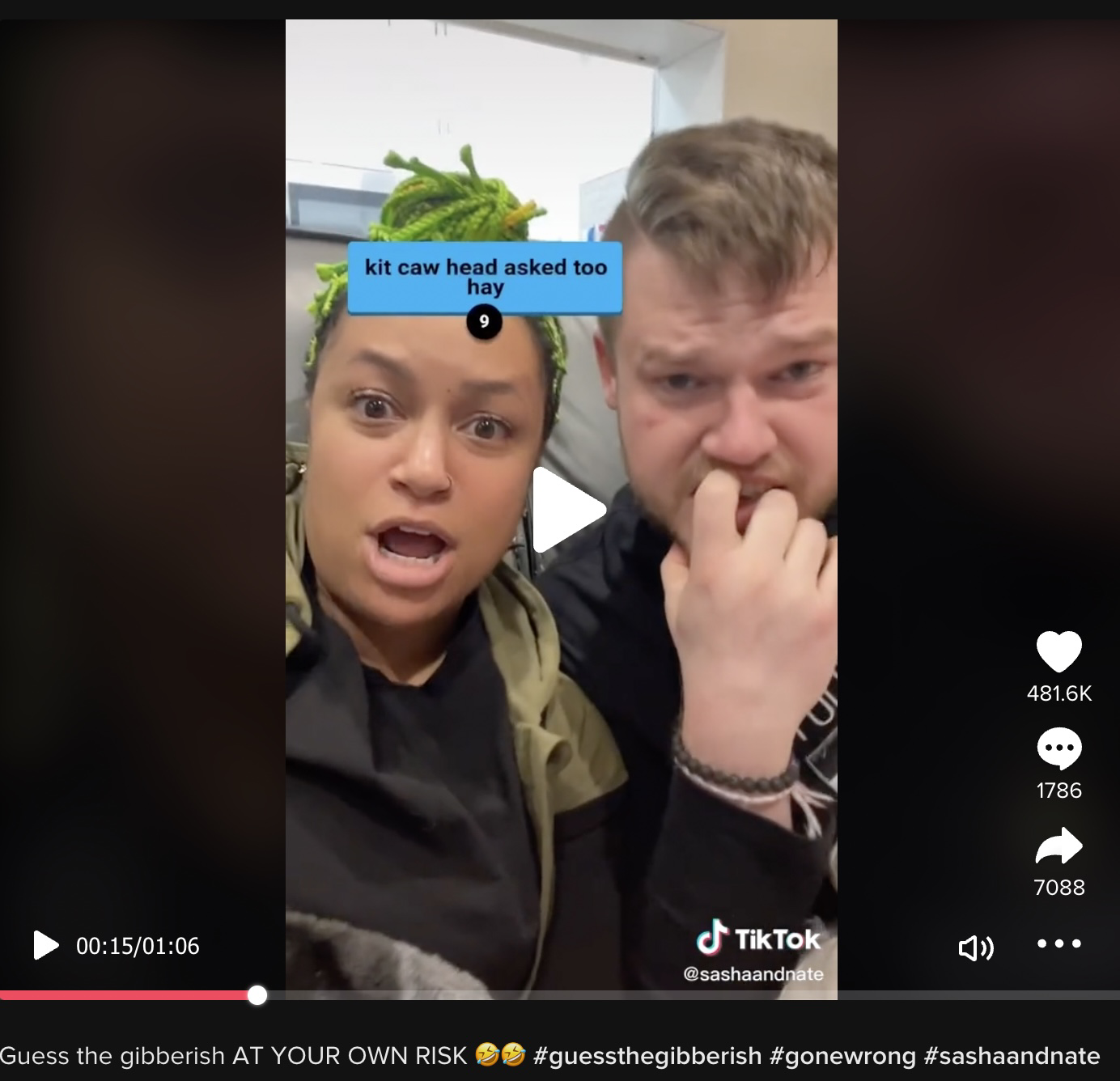
E.g. 2 people are doing a “guess the gibberish”. The modal will show random words and they will have to speak along.
Do a Q&A
- Tapping “Q&A”, you will see popular questions from other users that you can answer to. I believe those questions are “algorithmically recommended” so that they will get a high response rate.
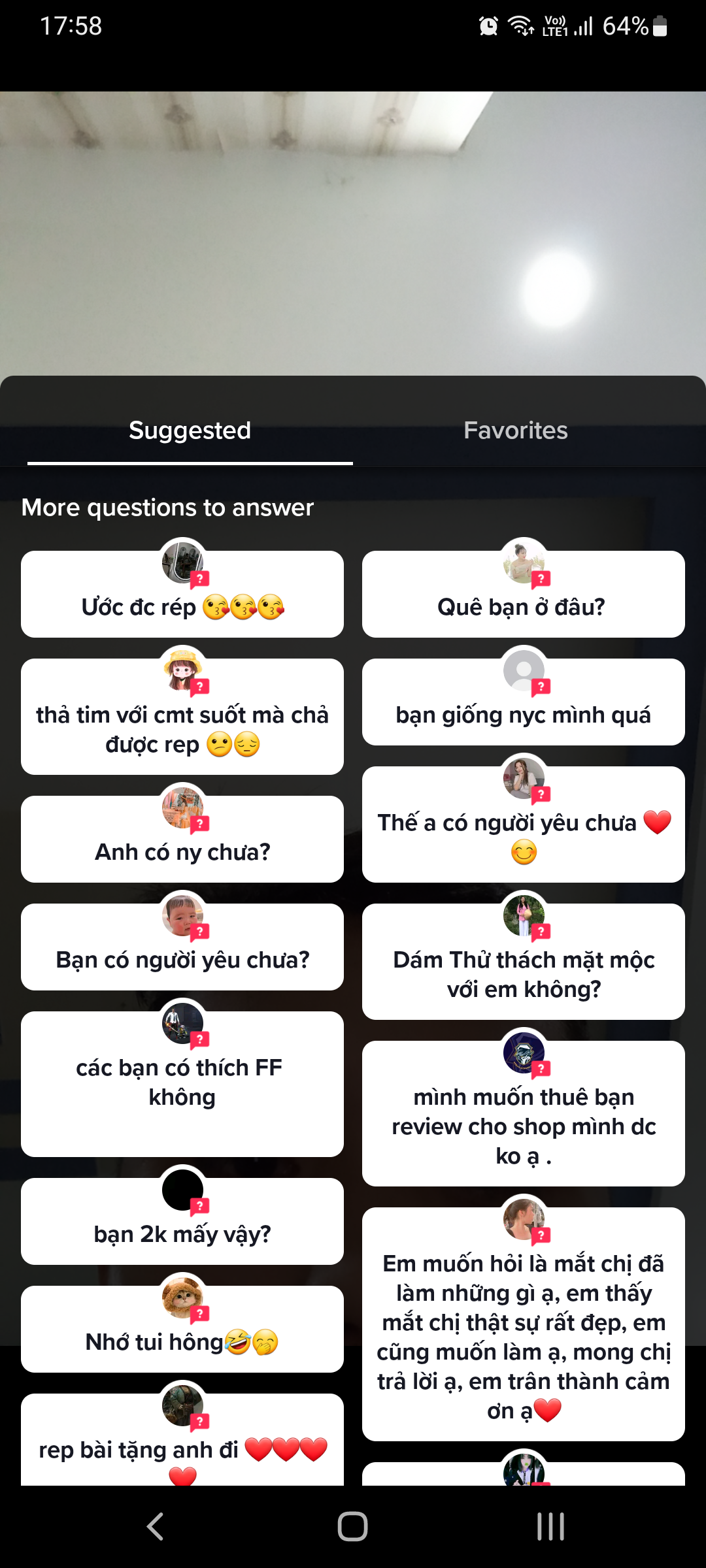
- Tapping “Q&A”, you will see popular questions from other users that you can answer to. I believe those questions are “algorithmically recommended” so that they will get a high response rate.
You can just dance along to a piece of music
Ideas come from comments as well, as commenters can ask questions or request the creator to do something.
- Another effect of comments: The bottom left white popup is a comment from a past video. The creator embedded it in this video. This feature encourages viewers to interact with creators, as it gives viewers a chance to “be seen on TV”.

- Another effect of comments: The bottom left white popup is a comment from a past video. The creator embedded it in this video. This feature encourages viewers to interact with creators, as it gives viewers a chance to “be seen on TV”.
If you are not good at video editing
- TikTok provides tons of effects and music to make your video better
- It also helps that the tools are easy to learn
- Actually, no, you don’t have to learn anything. TikTok simplifies the process for you. E.g. to do a Duet, you just need to tap the Duet button → record your video → apply some effects → it’s done. Whereas with a video editor, you have to take care of many details, and the software may require you to know certain video editing concepts beforehand.
Also, thanks to the above-mentioned features, interacting and connecting with others become easy and fun.
TikTok is famous for its recommendation system. There are good resources on the Internet that describe how it works behind the scenes. In this article, I will make an educated guess on how the app is designed in a way that makes its recommendation system better.
Simply put, a recommendation system consists of the data and the algorithm. However smart the algorithm is, the system’s performance still relies on the quality of the data. TikTok makes it easy for the algorithm to understand user behaviors.
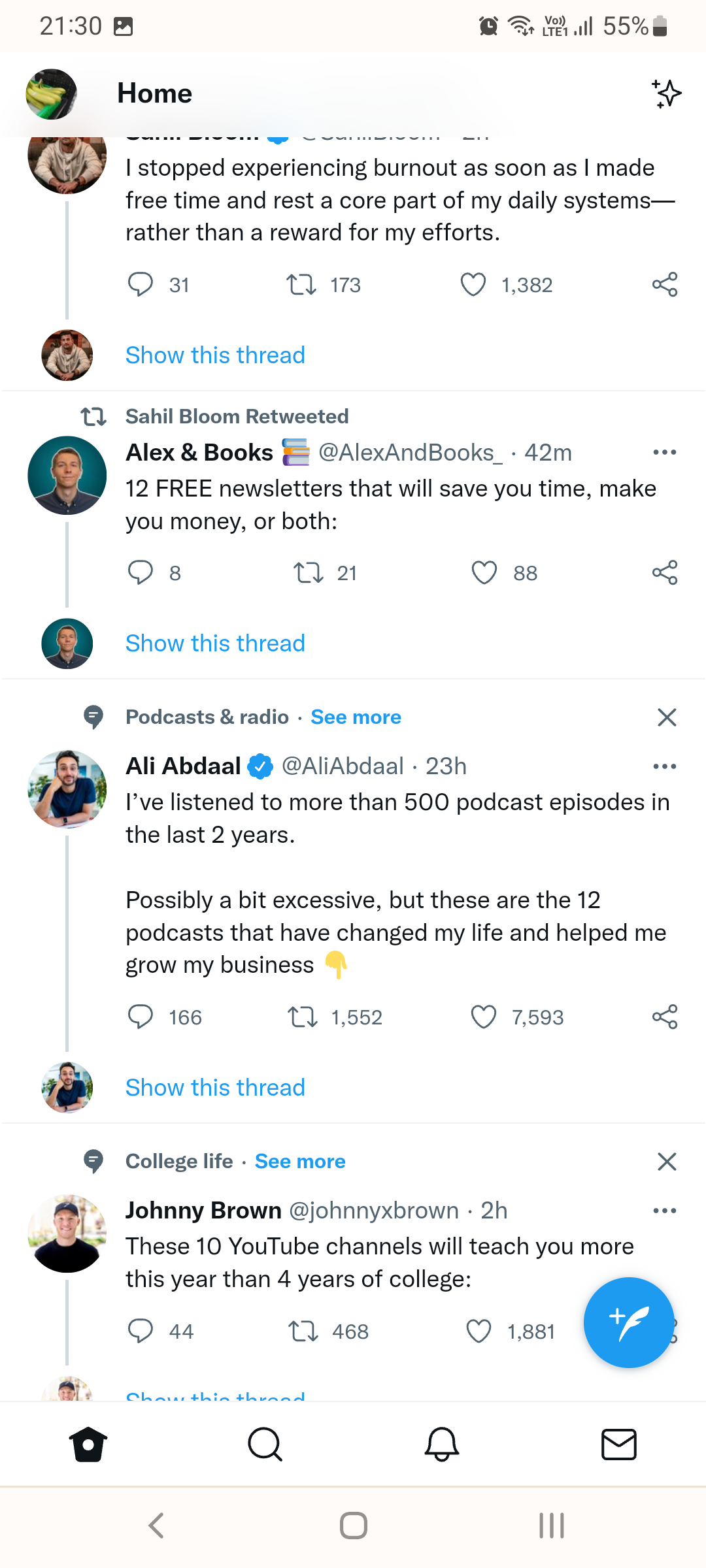

Whereas on TikTok, I see only 1 video at a time. Thus the app can collect clear, specific data about my intention.
- If I didn’t finish the video → the algorithm could guess with relatively high confidence that I don’t like it
- If I like it / share it / save it / watch it several times,… → I quite like it
- If I remix it → this is the type of video I’m more likely to make content with
Let’s go back to the screenshot of Twitter: I don’t like any of those tweets. But to make a strong signal about my lack of interest, I would have to reach my thumb out and tap the X, or tap ... then choose “Not interested”. I’d rather skim and move along. I guess it’s hard for the algorithm to make a clear distinction between me actually reading those tweets and reading-but-not-paying-attention.
On TikTok, the signal is convenient to make. You just swipe, or stay and watch. I think a small degree of convenience can sometimes make a big difference (e.g. from Why does speed matter?: ”For Mobify, every 100ms decrease in homepage load speed worked out to a 1.11% increase in session-based conversion, yielding an average annual revenue increase of nearly $380,000.”).
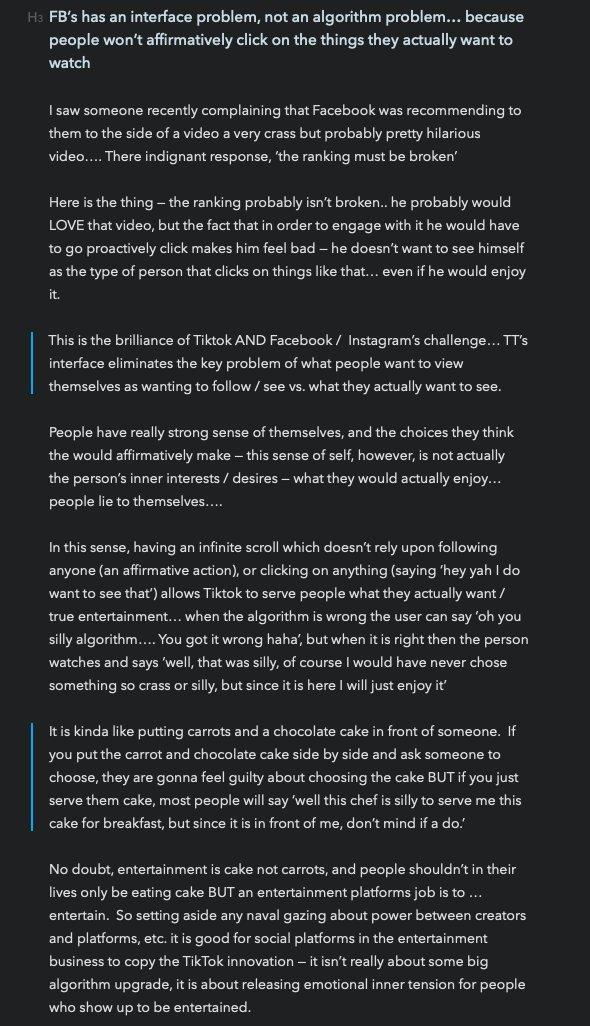
Not only the design helps the recommendation system learn effectively, it also removes the hesitation of users about whether or not to consume certain types of content. This was best explained in a tweet by Sam Lessin:
👉 The following is from an assignment I was tasked with when I was applying to a company. I asked the hiring manager if it was okay to publish my work. Luckily, they said it was fine, so here we go.
The assignment:
- Choose one of your favorite products. What are the metrics that measure the success of the product?
- Describe a feature that will improve one of the above metrics over the next quarter.
Metrics that measure the product’s success
TikTok’s success depends on the successes of its:
- Viewers
- Creators
- Advertisers
Below are the metrics that measure the success of each segment (not a comprehensive list. There are many metrics to pay attention to, but I will only list the ones that I think are the most important):
| Metrics | Segment |
|---|---|
| No. of daily/weekly/monthly active users Notes: - needs data to define “active user” - different definitions for “viewers” and “creators” | General “health” of the platform |
| Number of accounts created during a given time period | Viewers, Creators |
| No. of engagements (likes/shares/follows/comments) per video | Creators, Advertisers, Viewers |
| Finish a video rate | Creators, Advertisers, Viewers |
| Videos watched (count + hours) per day/week | Viewers |
| Times the user opens the app per day/week | Viewers |
| Number of remixes per video | Creators, Viewers |
| Videos created (count + hours) per day/week | Creators |
| Revenue per creator | Creators |
| Revenue per monetized video | Creators |
| Views per video | Creators, Advertisers |
| Ads click rate | Advertisers |
Notes
- To have an accurate picture, we need to segment videos based on the types of content. E.g. an educational video may not get the same level of engagement as an entertaining one, but it’s still important in retain certain user segments.
- Needs to take into account the differences among users. E.g. viewers in the US will be different from viewers in China.
- And we’ll need to look at the revenue. E.g. avg rev per creator, avg rev per user,… Looking at revenue metrics will inform TikTok about whether or not they’re making good policies and agreements with creators as well as advertisers.
The idea for a new feature
Context
TikTok has a reputation for “being cringeworthy”. Many people see its contents as childish, awkward, or over the top, etc. This put off many users and potential users. I sometimes wonder if there are any educative and informative content on the platform.
Turns out there are these types of content. But because of the recommendation system, most of the time users only see viral videos, which more often than not aren’t the type of content that certain user groups like.
Besides, a person’s interest may vary from time to time. At one moment, a user may want to feel productive, so they look for educative content. But after a long day, they may just want to see cat videos.
I think this solution will positively affect user growth, user engagement and retention, namely:
- No. of daily\weekly\monthly active users
- No. of engagements per video
- Video watched, in terms of hours and no. of videos
Which will in turn affect revenue metrics.
How “My playlist” works
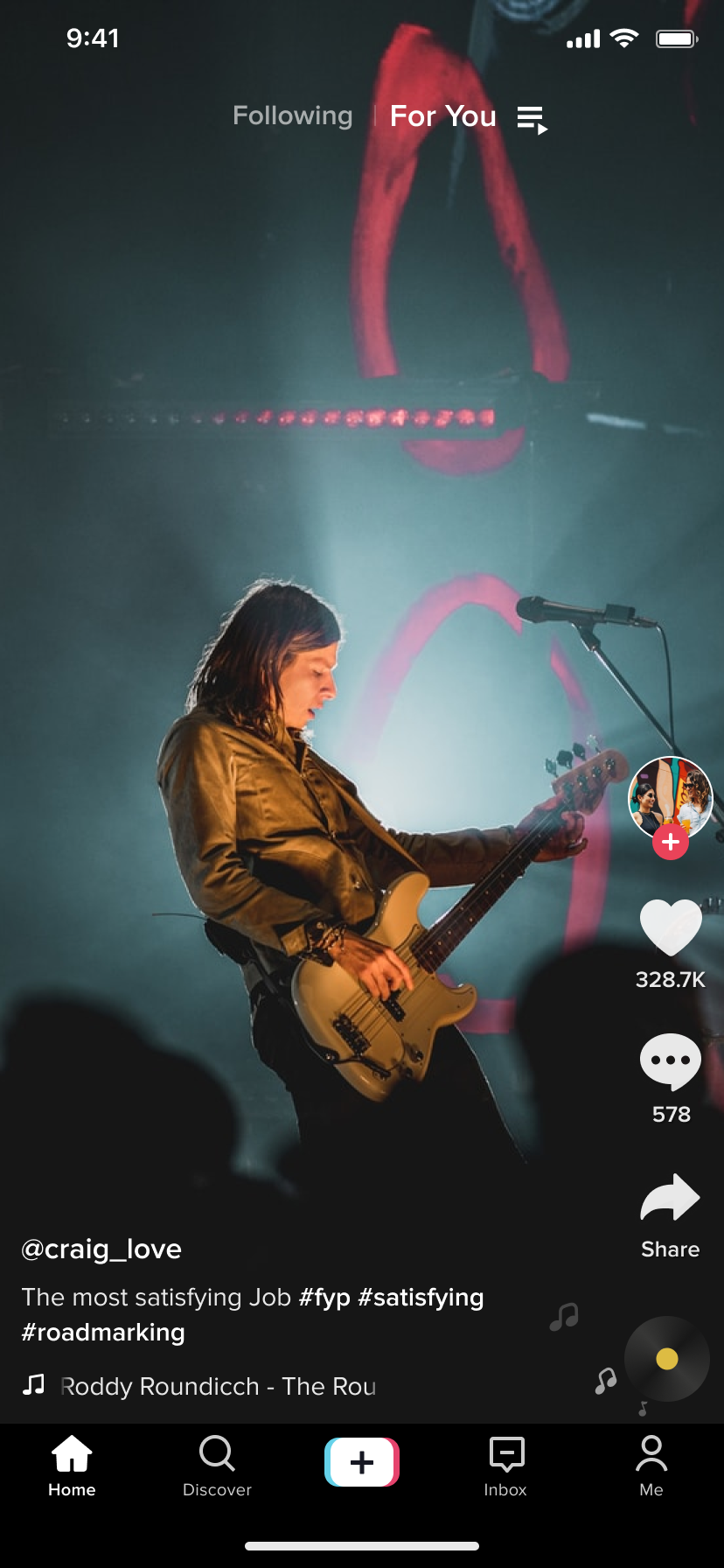
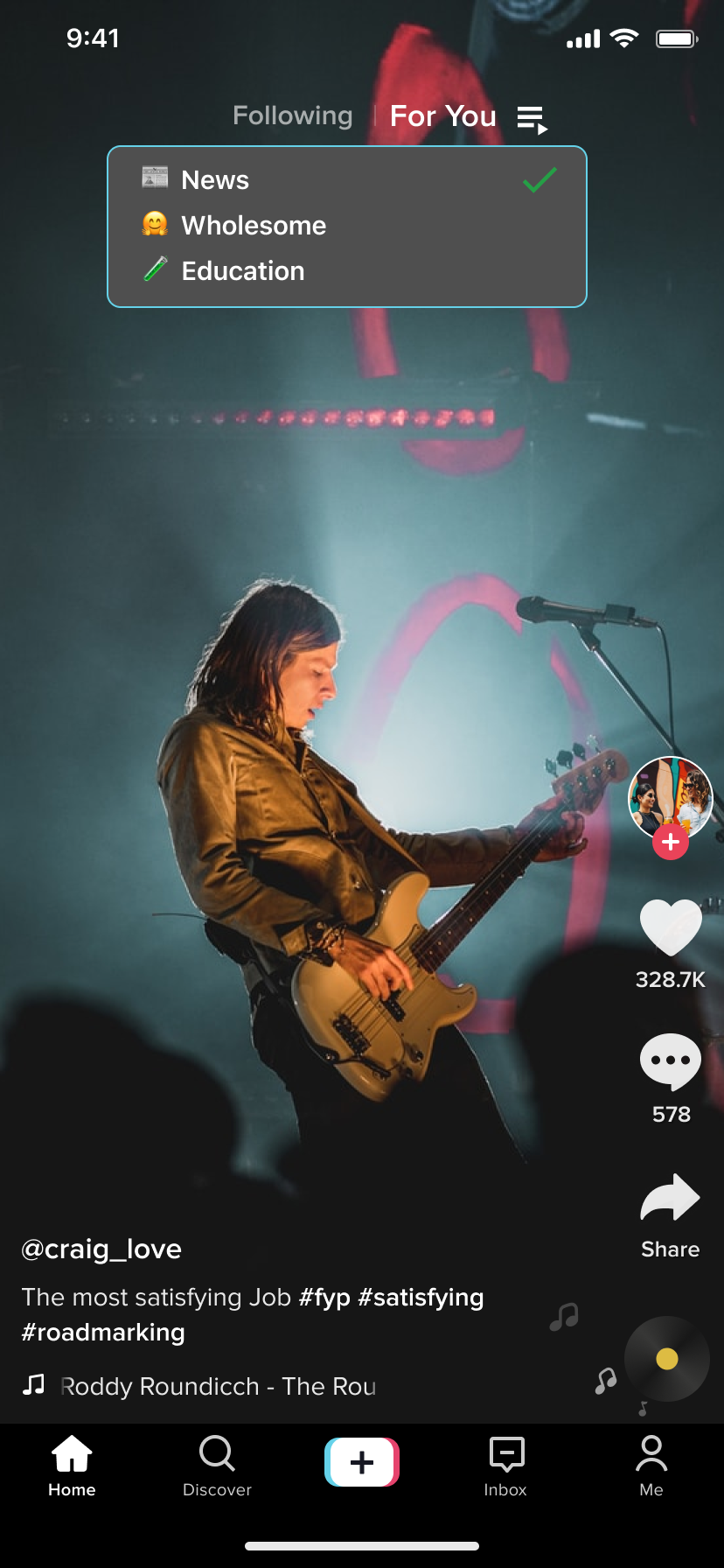
When the user goes to Home
- On the right side of For You button, they will see a playlist icon
- Clicks on the icon → displays a dropdown of a list of topics
- The user can choose which topics to show here by going to Settings
- The user can choose only 1 of the topics listed here (instead of being able to choose several at the same time (*))
- After choosing one, from now on they will only see videos belong to that topic.
To set which topics to be shown in the dropdown, the only way to do so is going to Settings > My playlist (*)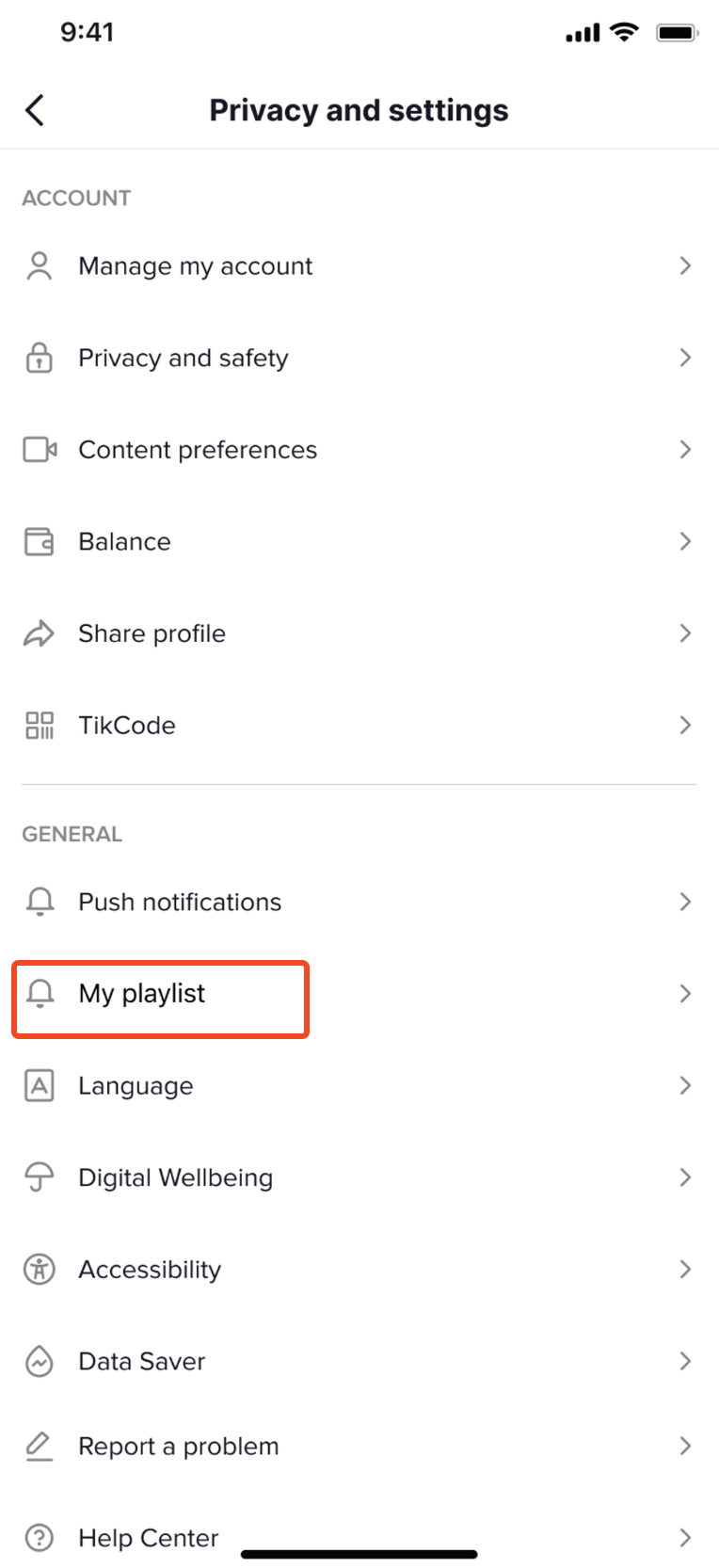
There are many options to choose from.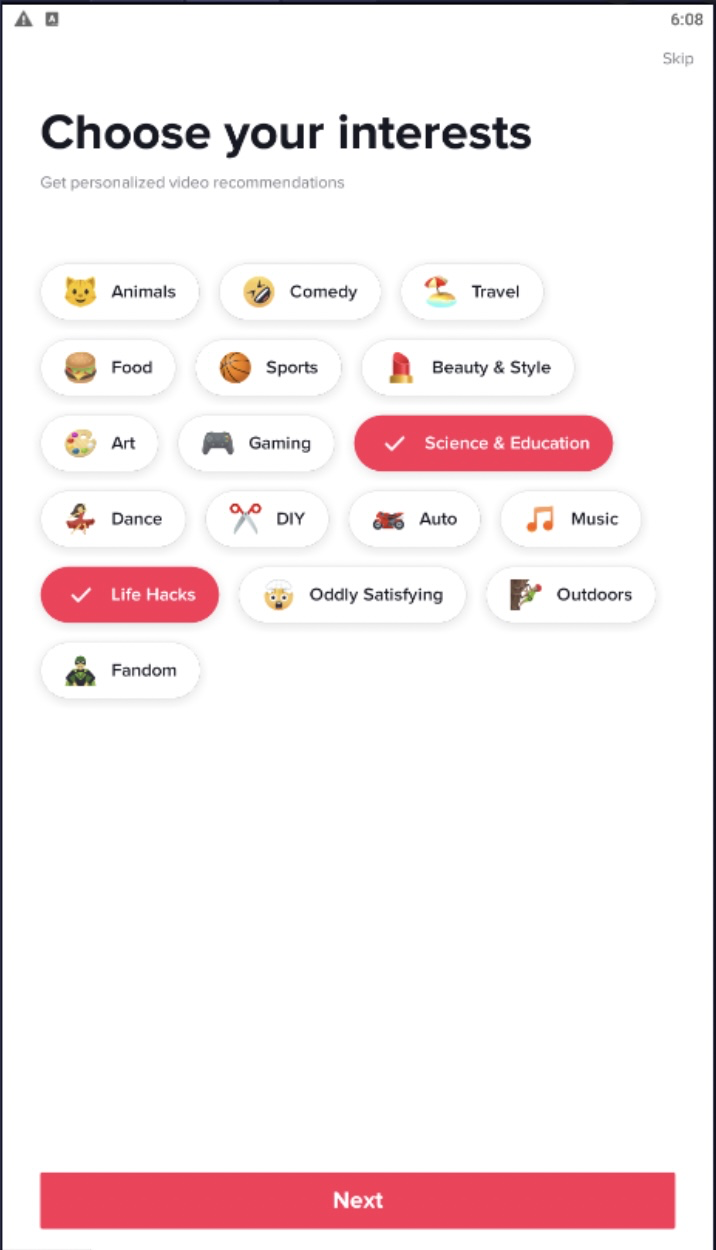
A maximum of 3 topics can be picked at the same time. (*)
Notes
The sentences marked (*) are the decisions that limit the user’s control. Why do so?
I think people don’t always know what will be the most “sticky” content for them. Giving users too much control of the curation process may negatively affect engagement and retention.
And here is a cynical take: this new feature may become a tool for the users to “protect” themselves from overconsumption (e.g. a user will never choose “Funny” as they think those videos are time-wasters). The less control given to the users, the better for the business.
That’s why many social media platforms were slow to tackle the misinformation or the mental health problem. These kinds of content give those platforms so much user engagement. Fake news, flashy images of a luxurious life from influencers (that according to research, have been harming the self-esteem of teenagers), etc. are what people like to see and engage with, even if doing so may not be healthy.
This is why I intentionally added the friction, and limit the usefulness of this feature. By the way, these decisions help simplify the feature (my intuition is that the simpler a design is, the better).
Personally, I would think very hard before working for that type of company (if I had the chance). But I assumed the role of a TikTok PM for this assignment.